
Key Takeaways
- Hair pulling in trichotillomania can trigger a release of endorphins and dopamine, creating a temporary feeling of relief or pleasure that reinforces the behavior over time
- Common triggers behind the urge to pull include stress, anxiety, boredom, and being alone with idle hands
- The trichotillomania cycle typically moves through a trigger, an urge, temporary relief, and then guilt or shame, which can restart the pattern all over again
- Treatment approaches such as Habit Reversal Training, Cognitive Behavioral Therapy, and mindfulness techniques can help interrupt the cycle and build healthier coping habits
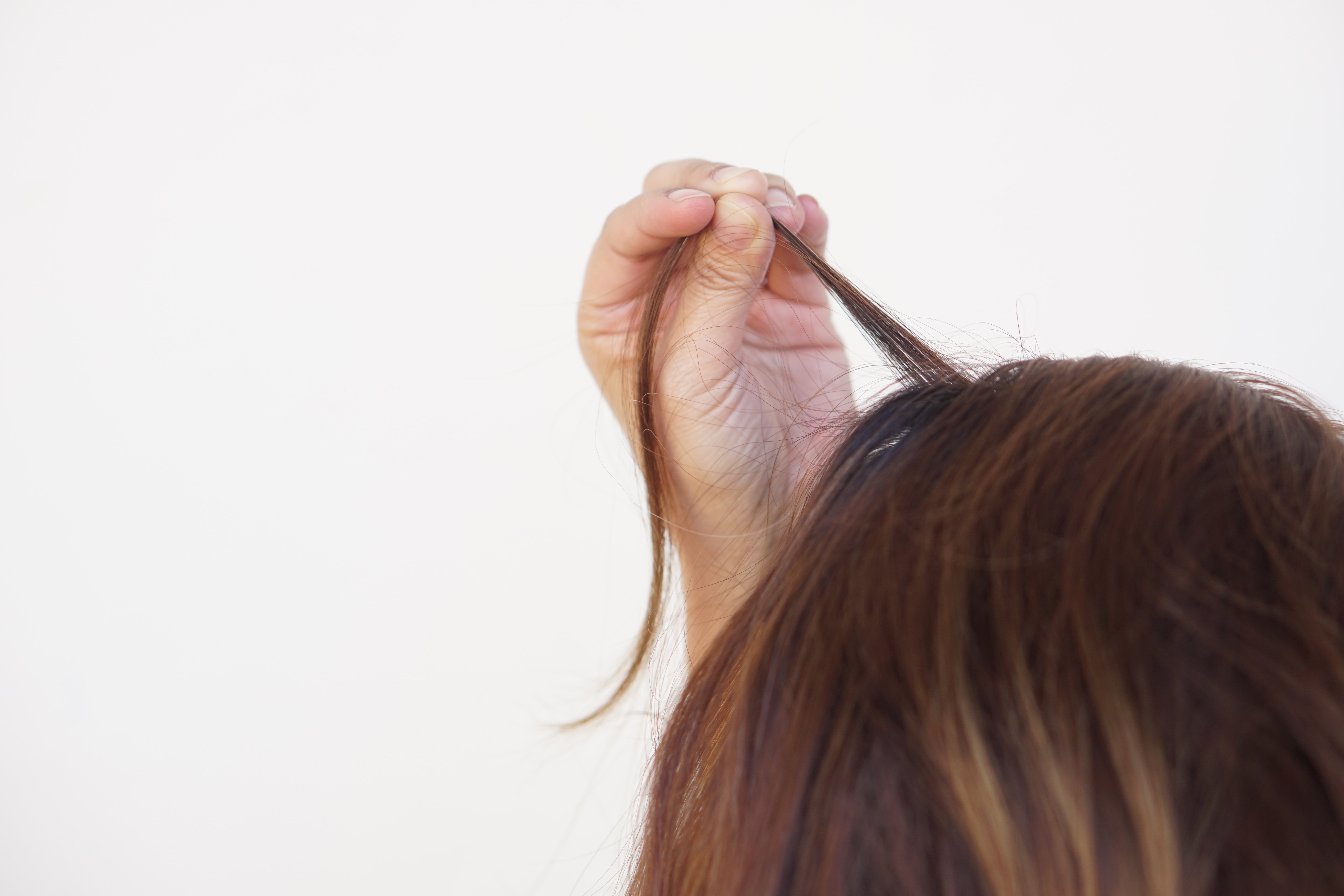
Trichotillomania can feel confusing, both for the person pulling their hair and for the loved ones watching it happen. The behavior often looks strange from the outside, yet it makes a strange kind of sense once the brain science behind it comes into focus. Hair pulling can create a genuine, physical sense of relief because of chemical reactions happening inside the brain, and understanding that reaction is often the first real step toward change.
The Endorphin Rush of Hair Pulling
The moment hair is pulled, the body can respond much as it does after a hard workout or a bite of chocolate. A rush of endorphins floods the system, and these natural chemicals are known for blocking pain signals and boosting feelings of well-being. That fleeting wave of comfort is not imagined or exaggerated. It is a real neurochemical event, and it explains why an act that sounds painful or even self-destructive can instead feel soothing in the moment.
This is one of the more misunderstood parts of trichotillomania, says A Mission for Michael and other mental health experts. Family members sometimes assume hair pulling is simply a bad habit that a person could stop through willpower alone, but the brain chemistry involved makes it far more complicated than that. Trichotillomania involves a complex interplay of biological and psychological factors working together, which helps explain why the urge can feel so difficult to resist even when someone genuinely wants to stop.
Recognizing that hair pulling delivers an actual physical reward changes the conversation. Instead of viewing the behavior as a simple lack of discipline, it becomes clearer why professional support and structured coping strategies matter so much. The rest of this piece breaks down what happens in the brain, why the cycle repeats itself, and what treatment options can help someone regain control.
What Happens in the Brain
Trichotillomania sits at the intersection of biology and habit. Several systems inside the brain work together every time hair is pulled, and each one adds its own layer to why the behavior feels rewarding rather than punishing.
Endorphins and the Pleasure Response
Endorphins are natural opioids the brain produces to help regulate pain and mood, and they can be triggered by stress, physical exertion, or even minor pain. When hair is pulled, this release can create a brief sense of euphoria or calm. Over repeated instances, the brain starts to link the physical act of pulling with that comforting chemical payoff, strengthening the association each time it happens.
Dopamine and the Reward System
Endorphins are not working alone. The act of pulling hair also appears to activate the brain’s dopamine pathways, and dopamine is the chemical most closely tied to pleasure, motivation, and the formation of cravings. While endorphins create a sense of relief, dopamine reinforces the desire to repeat the behavior again in the future.
This distinction matters because dopamine is central to how habits and even addictive patterns form in the brain. Each pull becomes a small transaction: tension builds, the pull happens, and dopamine rewards the brain for completing the action. Over time, this reward loop can make hair pulling feel less like a choice and more like a reflex the brain has been trained to expect.
Hair Pulling as a Coping Mechanism
Trichotillomania rarely exists in isolation from emotional life. For many people, pulling hair becomes a tool for managing feelings that otherwise seem overwhelming or impossible to control.
Common Triggers: Stress, Anxiety, Boredom
Certain situations and emotional states show up again and again as triggers. Stress, anxiety, boredom, frustration, and loneliness are among the most frequently reported causes, and environmental factors play a role as well.
- Being alone with few distractions, which allows idle hands to wander toward the scalp or eyebrows
- Sitting through long stretches of monotony, such as during a lecture, commute, or repetitive task
- Facing a stressful deadline or an anxiety-provoking social situation
- Feeling emotionally flat or disconnected, sometimes described as understimulation
Recognizing a personal trigger, whether it is boredom during quiet evenings or anxiety before a big event, gives someone a starting point for building alternative responses before the urge takes hold.
Seeking Control Through Ritual
For many individuals, hair pulling offers something deeper than sensory relief. It can provide a feeling of control in moments when other parts of life feel unpredictable or overwhelming. The ritual quality of the behavior- searching for a specific hair, examining it after pulling, sometimes repeating the process several times- can create a structured routine that feels grounding even as it causes harm.
The Trichotillomania Cycle
Understanding trichotillomania as a cycle, rather than a single isolated action, makes clear why the behavior tends to repeat itself despite a person’s best intentions to stop.
Trigger, Urge, Relief, Shame
The pattern typically unfolds in four recognizable stages. First, a trigger appears, whether that is stress, boredom, or a specific emotional state. Second, an urge builds, often accompanied by a rising sense of tension that feels increasingly difficult to ignore. Third, the pulling happens, delivering that temporary rush of endorphins and a feeling of relief or satisfaction. Fourth, guilt or shame frequently follows once the moment passes, especially when a person notices new hair loss or realizes how much time has slipped by during the episode.
This four-part sequence rarely stays contained to a single event. The shame that follows pulling often becomes its own source of stress, which can trigger the urge to pull again, creating a loop that feeds itself.
Why Immediate Reward Beats Long-Term Regret
The brain has a well-documented bias toward immediate rewards over delayed consequences, and trichotillomania illustrates this tendency clearly. The endorphin release and dopamine reward happen within seconds of pulling, while the regret, embarrassment, or damage to hair and skin unfolds more slowly and less predictably. Because the brain weighs the immediate sensation more heavily than the delayed cost, the pull toward repeating the behavior often wins out, even when someone genuinely wishes to stop.
This pattern does not reflect weak willpower. It reflects how deeply the brain’s reward circuitry favors instant feedback, a pattern seen across many compulsive behaviors and not unique to trichotillomania alone.
Physical and Emotional Fallout
The consequences of chronic hair pulling extend well beyond the moments of relief it provides. Physically, repeated pulling can damage hair follicles, sometimes leading to permanent hair loss, along with skin irritation or scarring in affected areas.
The emotional toll often runs just as deep. Many people carry significant shame or embarrassment about their hair pulling, leading them to avoid haircuts, swimming, or close-up social situations where hair loss might be noticed. This avoidance can spiral into isolation, and the ongoing stress of hiding the behavior frequently contributes to anxiety, low self-esteem, or depression.
Breaking the Cycle With Treatment
Because trichotillomania involves both brain chemistry and learned habit patterns, effective treatment typically addresses both angles at once rather than focusing on willpower alone.
Habit Reversal Training and CBT
Habit Reversal Training, often shortened to HRT, is widely regarded as a leading approach for treating trichotillomania. This method helps a person become aware of the specific moments, feelings, and settings that come right before an episode of pulling, and then teaches a competing response, such as clenching a fist or folding the hands, to interrupt the pattern before it starts. Cognitive Behavioral Therapy complements this work by helping individuals examine the thoughts and emotional patterns that feed the urge, then building healthier ways of responding to stress.
Dialectical Behavior Therapy also plays a meaningful role, teaching skills in emotional regulation, distress tolerance, and mindfulness that can be essential for individuals whose hair pulling is triggered by strong emotions or stress. These therapies are frequently used together rather than in isolation, since trichotillomania rarely responds to a single technique on its own.
Mindfulness and Substitution Techniques
Mindfulness practices, including deep breathing and yoga, can help lower the overall stress load that often feeds the urge to pull. Rather than eliminating triggers, mindfulness builds a person’s ability to notice the early signs of tension and pause before reacting automatically.
Substitution techniques offer another practical layer of support. Replacing the physical sensation of pulling with a similar but harmless action can satisfy some of the same sensory craving.
- Squeezing a stress ball or fidget tool during moments of boredom or anxiety
- Keeping hands busy with crafts such as knitting, drawing, or clay work
- Wearing gloves or fingertip bandages during identified high-risk times of day
- Adjusting lighting or seating arrangements to make locating and examining hair more difficult
Understanding the Urge Is the First Step to Recovery
Trichotillomania makes far more sense once the underlying brain chemistry comes into view. The endorphin rush, the dopamine-driven reward loop, and the sensory satisfaction of finding the “right” hair all combine to create a behavior that feels good in the moment, even as it causes lasting harm. That knowledge does not make the condition any less serious, but it does remove some of the shame and confusion that often surrounds it.
Recovery tends to start with awareness: noticing triggers, understanding the cycle of trigger, urge, relief, and shame, and recognizing that immediate neurological reward will almost always feel stronger than delayed regret. From there, structured therapies like Habit Reversal Training and Cognitive Behavioral Therapy give people concrete tools to interrupt the pattern rather than simply trying to push through each urge alone. For those ready to take next steps, learning more about trichotillomania treatment options can offer a clearer path forward toward lasting relief.
A Mission for Michael (AMFM)
30310 Rancho Viejo Rd.
San Juan Capistrano
California
92675
United States


