
Key Takeaways
- Slovenia’s national house prices rose 9.3% year-on-year as of March 2026, reflecting continued activity in the country’s property market.
- Slovenia’s health and spa resorts continue to attract substantial visitor numbers, supporting an established market for wellness and health-focused tourism.
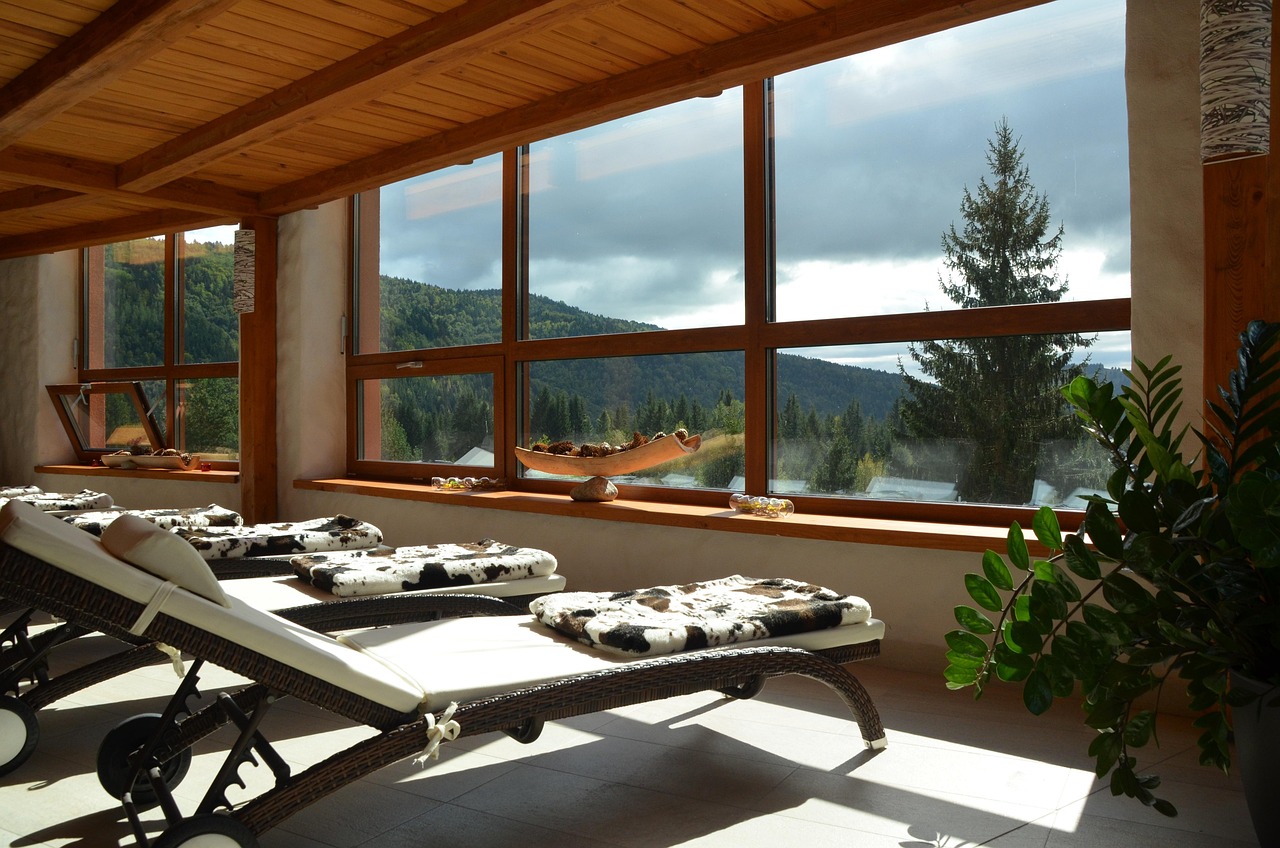
- Buying an existing wellness center can provide access to specialist infrastructure already in place, from treatment areas and saunas to pools and guest facilities.
- EU and national green funding streams support renewable energy, energy efficiency, and sustainable tourism projects, although eligibility depends on the individual project and funding program.
Slovenia’s coastline has quietly become one of Europe’s more interesting spots for people looking to combine real estate investment with the growing wellness tourism trend. Between an established spa culture, rising property values, and growing demand for health-focused travel, the region offers something a little different from the usual seaside property pitch.
A Coastline Built for Wellness Investors
Slovenia’s coastal strip is short in distance but long in reputation. The area combines Adriatic access with the country’s wider tradition of thermal bathing, health resorts, and wellness tourism, giving investors a market that extends beyond conventional beach holidays.
For investors looking at the sector, wellness centers for sale can offer an alternative to developing a new facility from the ground up. Slovenia’s appeal is supported by its established spa culture, growing wellness demand, and convenient access to neighbouring European markets.
Understanding why takes a closer look at the numbers behind the trend.
Steady Growth in Coastal Property Values
Prices Up 9.3% Year-on-Year in March 2026
Slovenia’s national residential property prices were 9.3% higher year-on-year in the first quarter of 2026, according to the Statistical Office of the Republic of Slovenia. Prices also increased 3% compared with the previous quarter.
For investors, national price growth provides useful context, although it should not automatically be treated as evidence that every coastal or commercial property is appreciating at the same rate. Wellness centers are specialist commercial assets, and their value can depend on factors including location, building condition, existing facilities, permitted uses, accessibility, and tenancy arrangements.
Location Still Matters More Than the Headline Numbers
National trends only tell part of the story. Slovenia’s coastal region has a limited amount of land, while locations around Koper also benefit from proximity to Italy and established transport connections.
For a wellness business, that accessibility can be particularly important. Unlike a residential property, where buyers may prioritise views or proximity to the sea, a wellness center also needs to be convenient for the people actually using it. Road access, parking, nearby population centres, and visibility can therefore matter alongside the wider property market.
Thermal Springs Fueling Tourism Demand
Health and Spa Resorts Attract Year-Round Visitors
Wellness is not a newly imported tourism concept in Slovenia. Thermal and health resorts have long formed part of the country’s visitor economy, with destinations combining spa treatments, swimming facilities, rehabilitation, accommodation, and recreation.
That established culture continues to generate measurable demand. According to the Statistical Office of the Republic of Slovenia, health and spa resorts recorded 592,245 tourist arrivals and more than 1.97 million overnight stays during the first seven months of 2026. Arrivals were 5.1% higher and overnight stays 3.1% higher than during the same period a year earlier.
Those figures matter because wellness facilities do not necessarily depend on a few weeks of peak summer demand. Health, relaxation, rehabilitation, and spa experiences can attract visitors at different points throughout the year.
International Demand Adds Another Customer Base
Foreign visitors are an important part of Slovenia’s tourism market, particularly given the country’s position between Italy, Austria, Croatia, and Hungary.
For wellness centers close to international borders, the potential customer base may therefore extend beyond the immediate local population. A property near the Italian border, for example, can be evaluated partly in terms of its accessibility to customers on both sides of the border.
This does not guarantee occupancy or investment returns, but it makes cross-border connectivity an important factor when comparing locations.
Green Tourism Meets Global Buyer Preferences
The Green Scheme of Slovenian Tourism
Slovenia has made sustainability a prominent part of its tourism strategy. The Green Scheme of Slovenian Tourism, operating under the Slovenia Green brand, provides a national certification framework for destinations and tourism businesses meeting specified sustainability criteria.
The country’s natural environment reinforces that positioning. Slovenia is among Europe’s most heavily forested countries, and protected natural areas form a significant part of its landscape.
For the wellness sector, sustainability has practical as well as branding implications. Facilities such as saunas, heated pools, hot tubs, treatment rooms, and relaxation areas can require considerable amounts of energy. Heating efficiency, insulation, renewable energy, water use, and building performance can therefore directly affect operating costs.
EU Funding for Energy and Sustainability Projects
Slovenia’s Recovery and Resilience Plan includes investment in renewable energy, energy efficiency, sustainable renovation, and greener tourism infrastructure. Other national and European programs periodically provide support for qualifying energy and sustainability projects.
For owners of wellness facilities, this can make energy performance worth examining closely. Solar systems, efficient heating, improved insulation, and other upgrades may reduce the environmental footprint and running costs of an energy-intensive property.
Funding should not be assumed to be available for a particular wellness center, however. Eligibility, funding levels, application periods, and project requirements vary between programs, so individual opportunities need to be assessed separately.
Buying an Existing Wellness Center
Existing Infrastructure Can Change the Investment Equation
Building a wellness center from scratch involves considerably more than finding an empty commercial unit and decorating it. Saunas, pools, treatment areas, changing rooms, relaxation spaces, ventilation, heating, plumbing, and other technical systems all have to be incorporated into the property.
An existing wellness center offers a different starting point. When specialist facilities are already installed, buyers can assess an established property rather than planning an extensive conversion before the space can serve its intended purpose.
That does not automatically make an existing center a better investment, but it changes what needs to be evaluated. The age and condition of the equipment, energy efficiency, layout, maintenance requirements, capacity, and suitability for current wellness services all become important parts of the property itself.
For buyers comparing wellness real estate in Slovenia, this distinction can help separate the cost of acquiring the building from the potential cost and complexity of creating the facilities it needs.
Existing Tenants Add Another Dimension
The way a wellness property is occupied can also shape an investment decision. Some buyers may want to acquire a facility and operate the business themselves, while others may be more interested in owning a commercial property that is already leased to a wellness operator.
An existing tenant means the property already has a commercial use at the point of purchase. This creates a different proposition from acquiring an empty building and then finding an operator or establishing a wellness business independently.
Larger commercial complexes can add another layer. A wellness center may form part of a property containing other leased businesses, creating several commercial uses within the same site.
The details still matter. Existing tenancy should not be confused with guaranteed future income, and buyers need to understand the terms and duration of any leases when evaluating the property. But from a real estate perspective, occupancy is an important distinction between an established commercial asset and a vacant building awaiting a new use.
Slovenia’s Coast Offers an Unusual Wellness Investment Mix
Slovenia’s coastal region brings together several factors relevant to wellness property investors: an established wellness culture, growing visitor numbers, rising national property prices, sustainability initiatives, and convenient access to neighbouring European markets.
That makes the individual property just as important as the broader wellness trend. Location, facilities, building condition, energy performance, current occupancy, permitted uses, and accessibility can all influence whether a particular wellness center makes sense as a commercial property investment.
For investors considering this space, working with a real estate agency experienced in commercial property can provide access to current listings and local property-market knowledge.
M&N International Real Estate
Pristaniška ulica 6, Koper,
Coastal Region
Slovenia
6000
Slovenia


